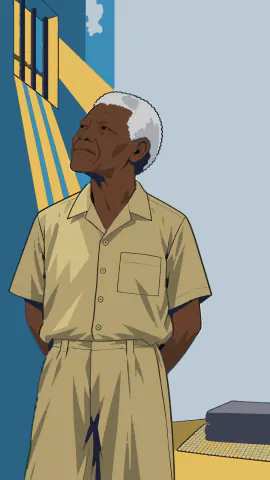
One Life.
Muhammad Ali
Heavyweight champion
19422016
He Lost His Title Without Losing a Fight
8 sourcesTranscriptRead while listening
The story in brief
Cassius Clay grew up in segregated Louisville, Kentucky. At twelve he wanted to beat up the thief who stole his bicycle, and a policeman who coached boxing told him to learn to fight first. He won Olympic gold at eighteen and the world heavyweight title at twenty-two, then announced he had joined the Nation of Islam and became Muhammad Ali. In 1967, during the Vietnam War, he was told to step forward into the army. He stood still, saying his religion forbade it.
The refusal cost him his title that day and three and a half years of boxing. Sentenced to five years in prison, he never served them: the Supreme Court unanimously overturned his conviction in 1971. In 1974, in Kinshasa, he leaned on the ropes until George Foreman, younger and unbeaten, punched himself tired, then knocked him out and was champion again. He beat his rival Joe Frazier too, after mocking him as a gorilla, and later apologized.
He fought on after his doctor quit, and at thirty-eight took a beating so bad his own trainer stopped it. At forty-two he was found to have Parkinson’s. In 1996, his hand shaking, he lit the Olympic flame in Atlanta. He died in 2016, at seventy-four. In 2019 Louisville named its airport after him.
In his own words
I shook up the world!
I have searched my conscience and I find I cannot be true to my belief in my religion by accepting such a call.
I said a lot of things in the heat of the moment that I shouldn’t have said. … I apologize for that. I’m sorry.
Sources (8)
- Muhammad Ali Center, “Hometown Hero to Global Icon” timeline and “Ali Takes the Torch”
- Muhammad Ali Center, “New Name, New Champion: Liston v. Clay, 60 Years Later”
- Ali’s statement in The New York Times, 29 April 1967, as reproduced by Lehigh University and the Federal Judicial Center
- Associated Press, on the 50th anniversary of Ali’s refusal of the draft (April 2017)
- Clay v. United States, 403 U.S. 698 (1971), the Supreme Court’s ruling
- AFP, “Hero, legend… villain?” (2016), quoting Ali’s 2001 interview with The New York Times
- CBS News, “Doctor who diagnosed Muhammad Ali with Parkinson’s speaks out” (2016)
- Wikipedia, “Muhammad Ali”, “Ferdie Pacheco”, “Larry Holmes vs. Muhammad Ali” and “Louisville Muhammad Ali International Airport” (read 4 October 2026)
Updated October 5, 2026.
Transcript
At 25, the heavyweight champion of the world was told to take one step forward. He stood still.
Muhammad Ali lost his title without losing a fight.
7 years later, he won it back by standing still again.
Born Cassius Clay, at 12 he vowed to beat up his bike thief. A policeman who coached boxing said: learn to fight first.
At 18, he won Olympic gold. He never stood still, and never stopped talking.
At 22, a 7-to-1 underdog, he beat the feared champion, Sonny Liston.
"I shook up the world!"
Then he announced he had joined the Nation of Islam, and became Muhammad Ali.
During the Vietnam War, the army called him to serve. He stood still.
"I cannot be true to my belief in my religion by accepting such a call."
He was banned from boxing, and sentenced to 5 years in prison.
He never served them. 3½ years later, he was back, and lost for the first time, to Joe Frazier.
At 32, he challenged George Foreman: younger, and unbeaten in 40 fights.
He leaned on the ropes, stood still, and let Foreman punch himself tired. In the 8th, Ali knocked him down, and was champion again.
He beat Joe Frazier too, after mocking him as a gorilla. He later said he was sorry.
His doctor quit when he would not retire. At 38, he took a beating so bad his own trainer stopped it.
At 42, he was found to have Parkinson's. Slowly, the man who never stopped talking grew quiet.
At 54, his hand shaking, he was the surprise choice to light the Olympic flame.
The flame was slow to catch.
He stood still, and held it steady.