One Life. No. 005
Chung Ju-yung
Founder of Hyundai
19152001
Hyundai’s Founder Ran Off With Cow Money
8 sourcesTranscriptRead while listening
The story in brief
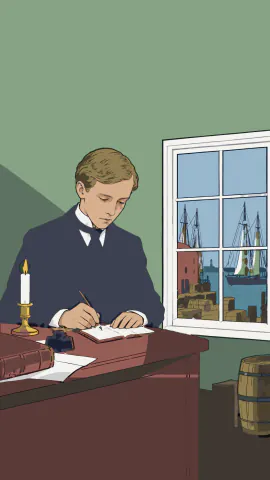
Chung Ju-yung was born to poor farmers in what is now North Korea. In 1932 he ran away with the 70 won his father got for a cow and spent it on a bookkeeping school in Seoul, until his father took him home. At 17 he left for good. In 1940 he borrowed for a car-repair garage. It burned down within weeks, and he borrowed again, on his word. In 1946 he named a new garage Hyundai, “modern”.
Hyundai moved into roads and bridges and, with President Park Chung-hee’s backing, into shipbuilding. He sold two giant tankers with little more than a photo of an empty beach, then built the shipyard and the ships at once. By 1983 his yard was the world’s biggest shipbuilder. He also fought his unions hard. After a failed run for president in 1992, he was sentenced in 1993 to three years for misusing company money. He was not jailed, because of his age, and was pardoned in 1995.
In June 1998, at 82, he sent 500 cattle into North Korea by truck, then walked across the border at Panmunjom. In October 501 more followed, 1,001 in all, to repay the cow money, he said. He died in 2001, at 85. The carmaker he founded, with Kia, became the world’s third biggest.
In his own words
As long as I am alive and healthy, I may meet trials, but not failure.
“Have you even tried it?” That is what I would always say, bluntly, to staff who balked at trying something new, so that they had nothing more to say.
Now that one cow has become 1,000 cattle, I am going to the home I longed for in my dreams, to repay that debt.
Translated from Korean.
Sources (8)
- Hyundai Motor Group’s Asan memorial archive: passages from Chung Ju-yung’s memoirs of 1991 and 1998 (the second in English as Born of This Land, 2019), and associates’ recollections
- Chung Ju-yung’s statement at Panmunjom, 16 June 1998, printed in full by the Seoul Shinmun, 17 June 1998
- Encyclopedia of Korean Culture (Academy of Korean Studies), “Chung Ju-yung” (in Korean)
- Encyclopedia of Korean Culture, “Chung Ju-yung’s cattle visit to North Korea”, 1998 (in Korean)
- HD Hyundai Heavy Industries, company overview (2025)
- The Christian Science Monitor, 21 April 1989 (Daniel Sneider) and 23 March 2001 (Michael Baker’s obituary)
- Seoul Shinmun archive: the 1992 election, the 1993 verdict and the 1995 pardon
- Korea Herald, 31 January 2025, and Hyundai Motor Group, January 2026, on Hyundai and Kia’s world sales rank
Updated October 7, 2026.
Transcript
The man who built Hyundai was born in what's now North Korea, and ran away from home with the money his father got for a cow.
Chung Ju-yung sold giant ships before he even had a shipyard.
And at 82, he sent 1,001 cows across the world's most heavily armed border, into North Korea, to pay it back.
The cow money paid for a bookkeeping school in Seoul, until his father found him and took him home.
At 17 he left for good, delivered rice, kept the shop's books, and later the owner handed him the shop.
When wartime rationing shut his rice shop, he borrowed for a car-repair garage. It burned down within weeks, and he borrowed again, on his word.
After the war he named a new garage Hyundai, meaning "modern". Seeing builders paid far more than mechanics, he moved into roads and bridges, and became Korea's biggest builder.
When he set out to build ships and staff said it couldn't be done, he'd snap: "Have you even tried it?"
He sold two giant oil tankers with little more than a photo of an empty beach, then built the shipyard and the ships at once.
Hyundai made Korea's first car of its own design, the Pony, and by 1983 his yard was the biggest shipbuilder on Earth.
When the tide kept breaking a sea wall he was building, he sank an old oil tanker in the gap, and raised cattle on the new land.
There was another side: he fought his unions hard, and after a failed run for president, was convicted of misusing company money.
In 1998, 500 of those cattle crossed into North Korea by truck, and then he walked across.
"That one cow has become a thousand," he said, "and I'm going home to repay the debt." 501 more followed.
He died in 2001, at 85. The carmaker he founded, with Kia, became the world's third biggest.
It all began with the price of one cow.