One Life.
Muamar el Gadafi
Gobernante de Libia durante 42 años
19422011
Amigo de Mandela. Un perro rabioso para Reagan.
8 fuentesTranscripciónLeer mientras escuchas
La historia en breve
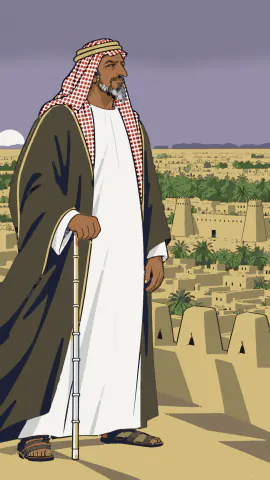
Muamar el Gadafi nació en 1942 en una tienda beduina cerca de Sirte, en la Libia gobernada por Italia. Su héroe era Nasser, el oficial del ejército que había derrocado al rey de Egipto, por eso ingresó al ejército y reunió en secreto a oficiales rebeldes. En 1969, con el anciano rey de Libia en el extranjero, tomaron el poder en una sola noche. Gadafi tenía 27 años.
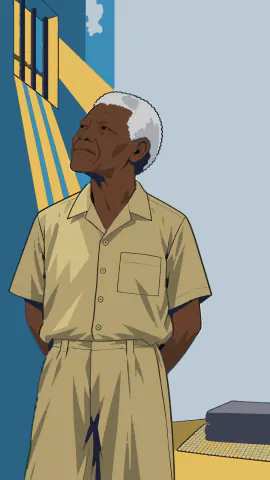
En 1970 venció a las compañías petroleras extranjeras: Libia se quedó con la mayor parte del dinero de su petróleo, y otros países siguieron su ejemplo. Ese dinero trajo mejores viviendas, escuelas y salud, y un río llevado por tuberías desde debajo del Sahara. Pero la oposición estaba prohibida: se ahorcó en público a estudiantes y se dio caza a críticos exiliados. Libia armó a militantes en el extranjero. En 1988 una bomba derribó un avión de pasajeros sobre Lockerbie, Escocia, y mató a 270 personas. Libia aceptó más tarde la responsabilidad. En 1996, en la prisión de Abu Salim, las fuerzas de seguridad mataron a tiros a unos 1.200 presos en pocas horas, según el recuento de un sobreviviente. Aun así, Mandela lo llamó amigo: Libia había apoyado su lucha contra el apartheid.
En 2011 su policía arrestó al abogado de las familias de Abu Salim, lo que desató una revolución. Sus fuerzas dispararon contra la multitud. Con aviones de la OTAN, autorizados por la ONU para proteger a los civiles, los rebeldes tomaron Trípoli. En su ciudad natal, unos combatientes lo encontraron escondido junto a una tubería de desagüe. Murió en sus manos y fue enterrado en una tumba secreta en el desierto. Siguió una década de guerra y milicias.
En sus propias palabras
La gente que ha vivido sin petróleo durante 5.000 años puede volver a vivir sin él durante algunos años para alcanzar sus derechos legítimos.
El partido es la dictadura contemporánea.
No soy un presidente para renunciar.
Traducido del inglés.
Fuentes (8)
- US Library of Congress, Libya: A Country Study (1987)
- BBC News, “Muammar Gaddafi: How he ruled Libya” (2011)
- Seymour, OPEC: Instrument of Change (1980), and Hamilton, Oil: The Price of Power (1986)
- Muammar al-Qathafi, The Green Book, Part One (1975), English edition
- Amnesty International Newsletter (May 1977), and Human Rights Watch on Abu Salim (2006), the Benghazi arrests (2011) and Death of a Dictator (2012)
- Al Jazeera, “Libya accepts Lockerbie blame” (16 August 2003) and “Defiant Gaddafi vows to fight on” (22 February 2011)
- Nelson Mandela Foundation, The Presidential Years, section 16.3 on Libya
- D+C, “Libya lapses into Gaddafi nostalgia” (24 January 2023)
Actualizado el 5 de octubre de 2026.
Transcripción
Transcripción en inglés, como la película por ahora.
At 27, Muammar Gaddafi seized power in a single night.
He beat the world's biggest oil companies. His government hanged students in public.
What do you call a man like that?
Born in a tent in the Libyan desert, he was mocked by town boys as a Bedouin.
His hero was Egypt's leader, who had overthrown a king. So he joined the army and secretly gathered rebel officers.
One night, with the old king abroad, they struck.
He told the foreign oil companies: "People who have lived without oil for 5,000 years can live without it again."
They gave in. Libya kept most of its oil money, and others followed.
The money changed almost every Libyan's life: homes, schools, and health among Africa's best.
But no one was allowed to oppose him. Protesting students were hanged in public; critics abroad were hunted down.
The desert boy piped a river from under the Sahara: water older than the pyramids.
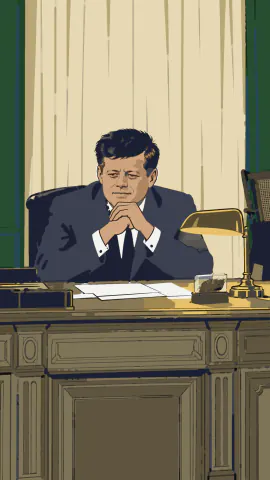
He armed militants abroad, and America's president called him a mad dog.
A bomb brought down a passenger jet over Scotland: 270 dead. Libya later accepted responsibility.
At Abu Salim prison, security forces shot about 1,200 prisoners in a few hours, by a survivor's count.
But Nelson Mandela called him a friend: Libya had backed his fight against apartheid.
He pushed Africa to unite. Its kings and chiefs crowned him King of Kings.
As revolts swept his neighbours, his police arrested the lawyer for the Abu Salim families. Their protest became a revolution.
His forces fired on the crowds. He said: "I am not a president to step down."
With NATO jets, approved by the UN to protect civilians, the rebels took his capital.
In his hometown, fighters found him hiding by a drainage pipe. He died in their hands.
He was buried in secret, in a desert grave with no name.