One Life.
Muammar Kadafi
Governante da Líbia por 42 anos
19422011
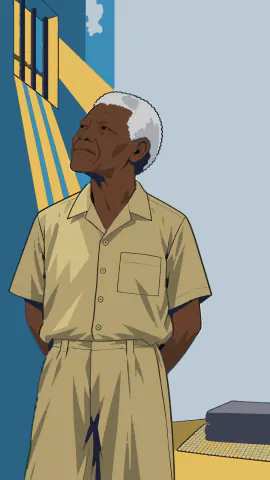
Amigo de Mandela. Um cão raivoso para Reagan.
8 fontesTranscriçãoLer enquanto ouve
A história em resumo
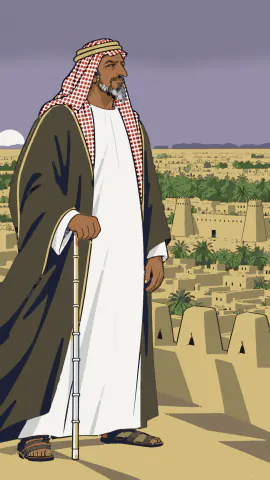
Muammar Kadafi nasceu em 1942 em uma tenda beduína perto de Sirte, na Líbia sob domínio italiano. Seu herói era Nasser, o oficial do Exército que havia derrubado o rei do Egito, por isso entrou para o Exército e reuniu em segredo oficiais rebeldes. Em 1969, com o velho rei da Líbia no exterior, eles tomaram o poder em uma única noite. Kadafi tinha 27 anos.
Em 1970, ele venceu as petroleiras estrangeiras: a Líbia ficou com a maior parte do dinheiro do seu petróleo, e outros países seguiram o exemplo. O dinheiro trouxe moradias, escolas e saúde melhores, e um rio trazido por tubulações de debaixo do Saara. Mas a oposição era proibida: estudantes foram enforcados em público, e críticos no exílio foram caçados. A Líbia armou militantes no exterior. Em 1988, uma bomba derrubou um avião de passageiros sobre Lockerbie, na Escócia, matando 270 pessoas. Mais tarde, a Líbia aceitou a responsabilidade. Em 1996, na prisão de Abu Salim, forças de segurança mataram a tiros cerca de 1.200 presos em poucas horas, segundo a contagem de um sobrevivente. Ainda assim, Mandela o chamou de amigo: a Líbia havia apoiado sua luta contra o apartheid.
Em 2011, sua polícia prendeu o advogado das famílias de Abu Salim, o que desencadeou uma revolução. Suas forças atiraram contra a multidão. Com caças da Otan, autorizados pela ONU para proteger civis, os rebeldes tomaram Trípoli. Em sua cidade natal, combatentes o encontraram escondido junto a uma tubulação de drenagem. Ele morreu nas mãos deles e foi enterrado em um túmulo secreto no deserto. Seguiu-se uma década de guerra e milícias.
Em suas próprias palavras
Pessoas que viveram sem petróleo por 5.000 anos podem viver sem ele de novo por alguns anos para conquistar seus direitos legítimos.
O partido é a ditadura contemporânea.
Não sou um presidente para renunciar.
Traduzido do inglês.
Fontes (8)
- US Library of Congress, Libya: A Country Study (1987)
- BBC News, “Muammar Gaddafi: How he ruled Libya” (2011)
- Seymour, OPEC: Instrument of Change (1980), and Hamilton, Oil: The Price of Power (1986)
- Muammar al-Qathafi, The Green Book, Part One (1975), English edition
- Amnesty International Newsletter (May 1977), and Human Rights Watch on Abu Salim (2006), the Benghazi arrests (2011) and Death of a Dictator (2012)
- Al Jazeera, “Libya accepts Lockerbie blame” (16 August 2003) and “Defiant Gaddafi vows to fight on” (22 February 2011)
- Nelson Mandela Foundation, The Presidential Years, section 16.3 on Libya
- D+C, “Libya lapses into Gaddafi nostalgia” (24 January 2023)
Atualizado em 5 de outubro de 2026.
Transcrição
Transcrição em inglês, como o filme por enquanto.
At 27, Muammar Gaddafi seized power in a single night.
He beat the world's biggest oil companies. His government hanged students in public.
What do you call a man like that?
Born in a tent in the Libyan desert, he was mocked by town boys as a Bedouin.
His hero was Egypt's leader, who had overthrown a king. So he joined the army and secretly gathered rebel officers.
One night, with the old king abroad, they struck.
He told the foreign oil companies: "People who have lived without oil for 5,000 years can live without it again."
They gave in. Libya kept most of its oil money, and others followed.
The money changed almost every Libyan's life: homes, schools, and health among Africa's best.
But no one was allowed to oppose him. Protesting students were hanged in public; critics abroad were hunted down.
The desert boy piped a river from under the Sahara: water older than the pyramids.
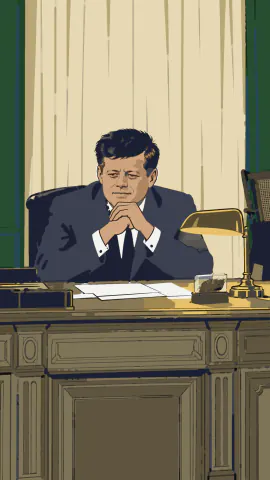
He armed militants abroad, and America's president called him a mad dog.
A bomb brought down a passenger jet over Scotland: 270 dead. Libya later accepted responsibility.
At Abu Salim prison, security forces shot about 1,200 prisoners in a few hours, by a survivor's count.
But Nelson Mandela called him a friend: Libya had backed his fight against apartheid.
He pushed Africa to unite. Its kings and chiefs crowned him King of Kings.
As revolts swept his neighbours, his police arrested the lawyer for the Abu Salim families. Their protest became a revolution.
His forces fired on the crowds. He said: "I am not a president to step down."
With NATO jets, approved by the UN to protect civilians, the rebels took his capital.
In his hometown, fighters found him hiding by a drainage pipe. He died in their hands.
He was buried in secret, in a desert grave with no name.